
You may also like

Page 2 of 2

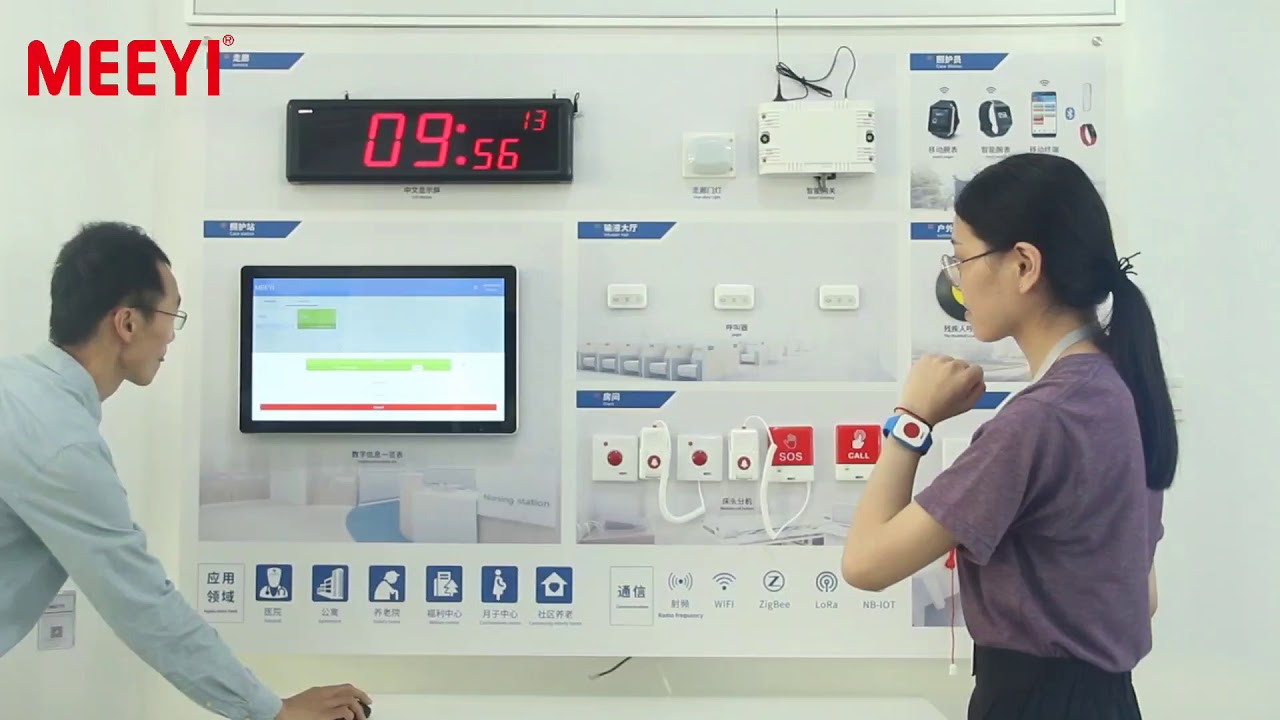
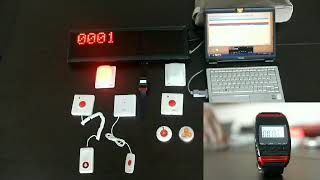
MEEYI Smart wireless call system is with a smart wireless calling receiver to collect the patients’ calling infomation, help hospital get more call data statistics.


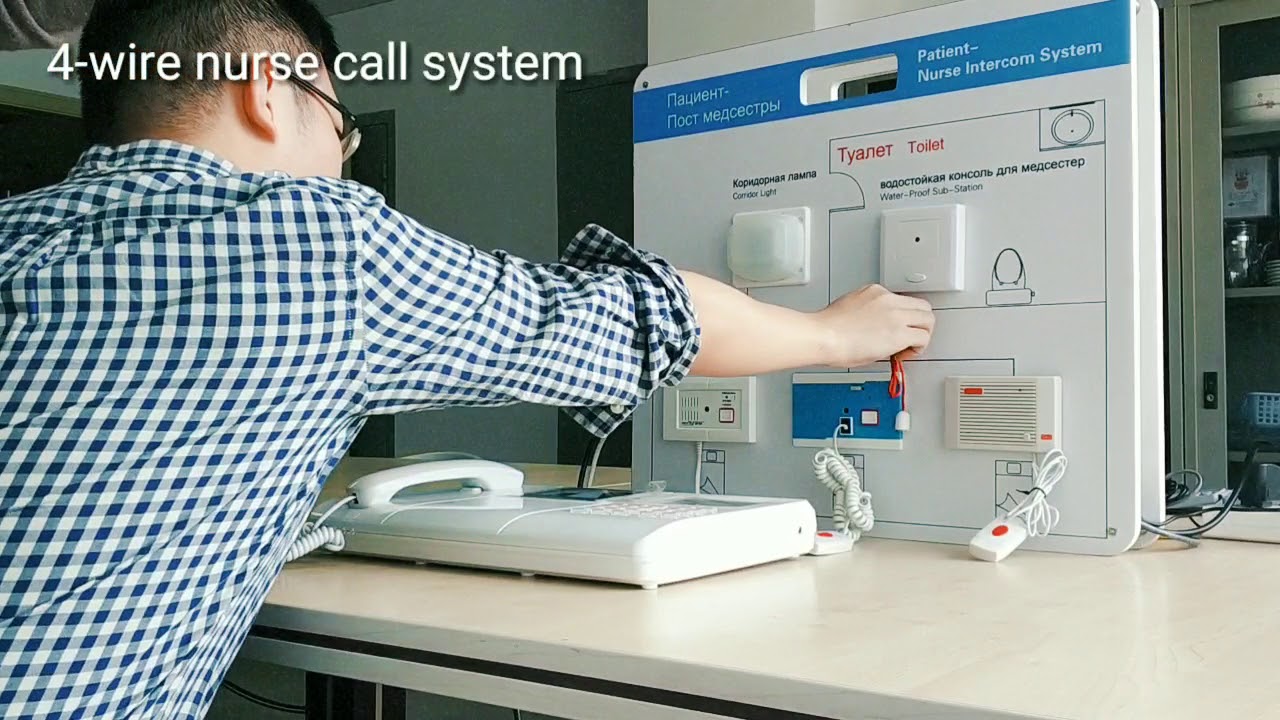
MEEYI Wired nurse call system supports patients, nurse, doctors two-way voice communication.

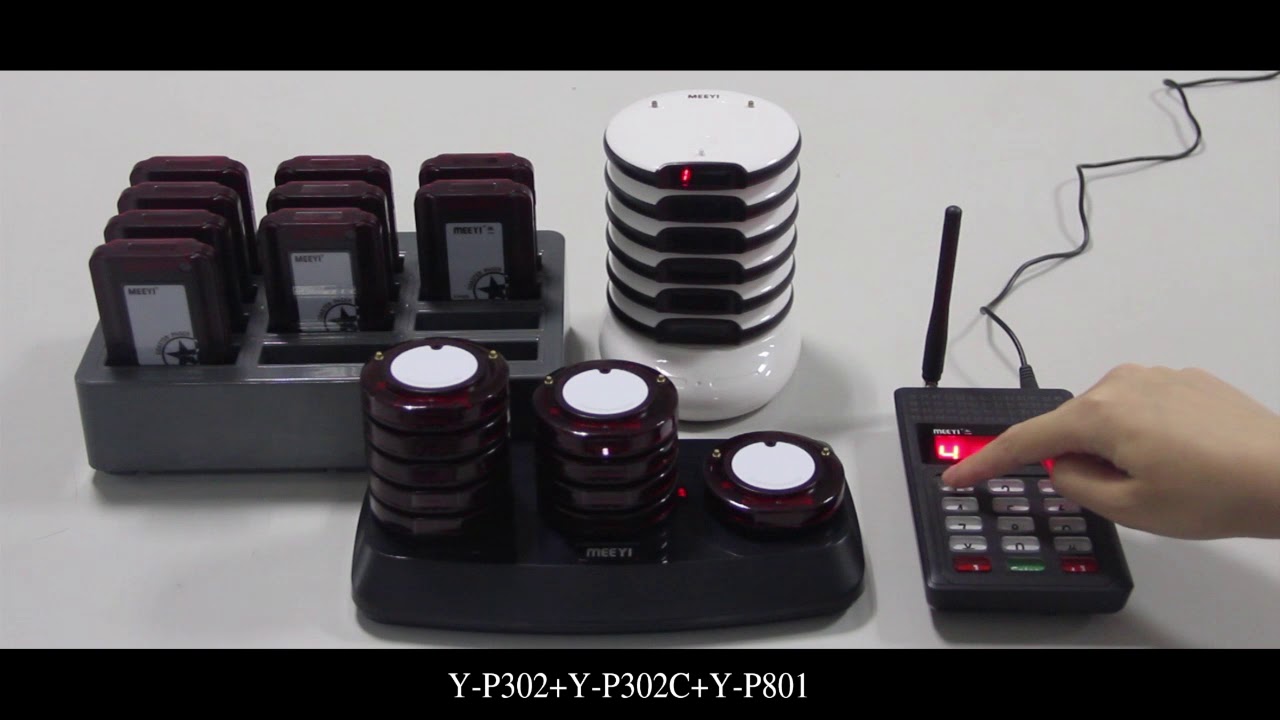
MEEYI pure wireless receiver in elderly care home’s reception can help caregivers fast respond the seniors’ request. MEEYI also provides wireless call lanyards to seniors. When they encounter any security situation, they can get the attention of the caregiver by pressing the call button.
MEEYI Smart Elderly nursing call system not only provide the convenience for the elderly to call and the nursing staff to respond to the call information at the first time, but also provide functions such as data collection and analysis, so that the nursing staff can analyze the situation of the elderly.
MEEYI Code Blue Wireless panic alarm systems provide a quick way to alert Hospitals’ rapid response teams ready to go when they get notified about a code blue. It is water and impact resistant and is a wireless hassle-free system with ODM & OEM support. The main receiver is for the Nurse Station, the Code Blue Lamp is for the corridor, and the Code blue buttons are for the bedside. Repeaters are optional.
Product Description: Meeyi Wireless Nurse Call System Receiver In Russian
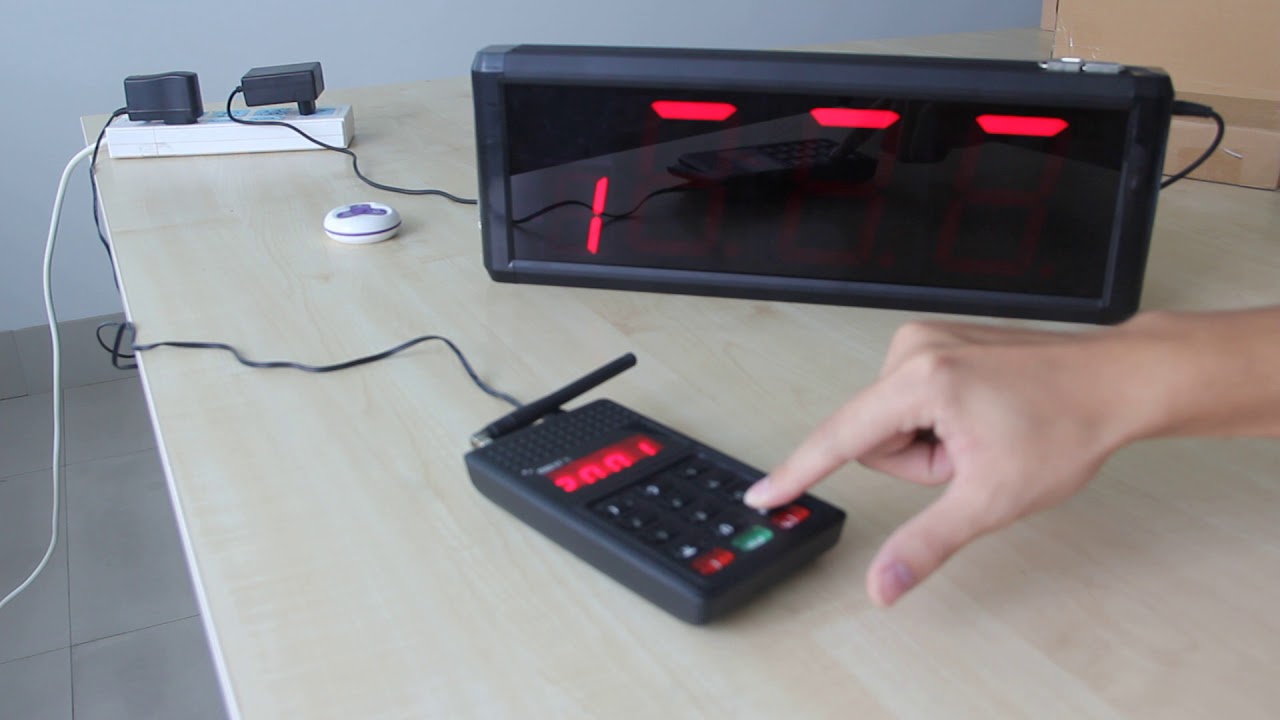
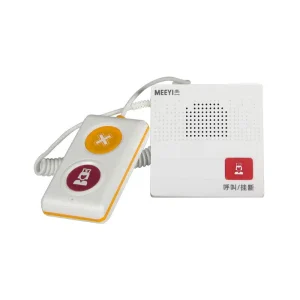
The Meeyi Wireless Nurse Call System Receiver In Russian is a specially localized receiver unit designed for Russian-speaking healthcare environments, including hospitals, clinics, nursing homes, and rehabilitation centers. It ensures reliable wireless communication between patients and medical staff, enhancing response times and patient satisfaction.
📌 Key Features:
This receiver supports Russian language display and audio alerts, making it user-friendly for Russian-speaking staff. The unit receives signals from call buttons or patient terminals and displays clear call information, including room numbers or bed IDs, in Cyrillic format.
Additionally, the receiver uses high-sensitivity wireless transmission, allowing stable performance even across long distances and through building walls. It supports multi-point reception, so one unit can manage signals from multiple call buttons simultaneously.
The design includes a bright LED display and adjustable audio alert volume. Staff can view incoming calls instantly and respond based on urgency. The receiver’s compact form factor allows for wall mounting, desktop placement, or integration with a central nurse station system.
Furthermore, the system features low power consumption, ensuring efficient operation with minimal energy costs. It also includes backup battery options to maintain functionality during power outages.
📋 Operation Instructions:
Install the receiver in a central location such as a nurse station or hallway.
Pair the receiver with compatible Meeyi wireless call buttons or terminals.
When a patient presses the call button, the receiver shows the room or bed number in Russian.
The alert will sound and/or flash, depending on system settings.
Staff can reset the call from the nurse station or bedside terminal after providing assistance.
The Meeyi Wireless Nurse Call System Receiver In Russian ensures smooth and efficient communication in healthcare facilities where Russian is the primary language. It reduces patient wait times, improves staff coordination, and helps maintain a high standard of care with accessible, localized functionality.
 MEEYI
MEEYI