


Introduction to Wireless Nurse Call Systems
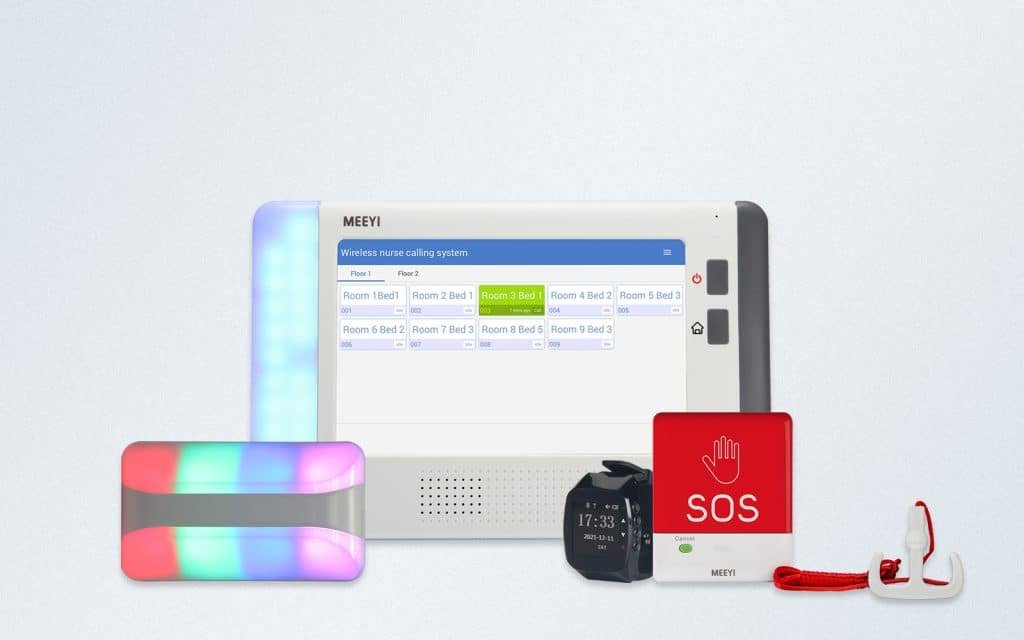
In healthcare, effective communication is crucial for providing high-quality care. Wireless Nurse Call Systems, such as the “Wireless Nurse Cali System,” play a pivotal role in improving patient-staff interaction. These systems allow patients to alert healthcare staff instantly when they need assistance, promoting faster response times and enhancing patient care.
Wireless nurse call systems use advanced technology to transmit requests for help, emergency signals, and real-time health data. Unlike traditional wired systems, which require physical connections, wireless systems offer flexibility and reliability in healthcare settings.
Advantages of Wireless Nurse Call Systems
Wireless nurse call systems, like the Wireless Nurse Cali System, provide a range of benefits over wired systems. These systems help healthcare providers respond faster to patient needs, improve communication, and reduce costs. Let’s explore the advantages in more detail.
1. Flexibility and Easy Installation
Wireless nurse call systems are easier to install than their wired counterparts. Since there are no extensive cables to run, the setup process is faster and less disruptive. Healthcare facilities can install these systems with minimal interruption to daily operations. Furthermore, wireless systems can easily be scaled up or down based on a hospital’s or clinic’s needs.
2. Improved Patient Care and Faster Response
With wireless systems, healthcare staff receive alerts in real-time. When a patient presses a call button, the system sends the alert to nurses’ mobile devices or a central station. This allows for immediate action. Wireless systems can also prioritize urgent alerts, ensuring that critical situations receive timely attention.
3. Enhanced Communication
Modern wireless nurse call systems allow two-way communication. This feature helps nurses communicate with patients without having to leave their stations. It also reduces unnecessary visits, enabling nurses to assess the situation more efficiently.
4. Real-Time Monitoring and Analytics
Many wireless nurse call systems include monitoring features. These systems can track patients’ vital signs, such as heart rate and blood pressure. Nurses receive alerts if there are changes in a patient’s condition, which allows them to respond proactively. Additionally, built-in analytics help hospitals assess staff performance, track response times, and identify areas for improvement.
5. Remote Management and Control
Wireless systems often allow for remote monitoring. Administrators can access and manage the system from any location, making it easier to oversee operations. This feature is especially useful for large hospitals with multiple departments. It also helps streamline system maintenance and troubleshooting.

Key Features of Wireless Nurse Call Systems
A well-designed wireless nurse call system includes several essential features that enhance functionality. These features help ensure effective communication and improve the quality of care. Here are some of the key elements:
1. Call Buttons and Touchpoints
The core feature of any nurse call system is the call button. Patients use these buttons to request assistance. More advanced systems offer touch-based or voice-activated buttons, which make it easier for patients with limited mobility to get help.
2. Mobile Device Alerts
Instead of sending signals to a central station, wireless systems send alerts directly to nurses’ mobile devices. This system ensures that healthcare providers can respond quickly, even when they’re away from a stationary device. The alert includes the patient’s location and the nature of the request, allowing nurses to act appropriately.
3. Real-Time Location Services (RTLS)
Wireless nurse call systems may include RTLS, which tracks the location of patients and staff. This feature ensures that nurses are directed to the correct location, reducing response times and improving patient care. RTLS can also help locate important equipment, reducing delays in care.
4. Alarm Management
In addition to simple patient requests, wireless systems can also manage alarms. If a patient’s condition changes—such as a drop in blood pressure or irregular heart rate—the system can notify nurses immediately. This feature allows healthcare providers to respond quickly to life-threatening situations.
5. Voice and Video Communication
Some systems include voice and video communication features, allowing patients and nurses to communicate directly. This is particularly beneficial for patients who have difficulty describing their needs. The ability to assess a situation remotely can reduce unnecessary visits and save time.
6. Comprehensive Dashboards
Wireless nurse call systems often include dashboards that display real-time alerts and updates. Nurses can see all incoming requests, track staff availability, and monitor room status in one place. This centralized information helps improve decision-making and staff efficiency.
The Wireless Nurse Cali System: Improving Patient Care
The Wireless Nurse Cali System likely follows the trend of integrating advanced wireless technology into healthcare. While specific details are unavailable, we can highlight some possible features based on current trends in wireless nurse call systems.
Mobile Integration: The Wireless Nurse Cali System likely integrates with nurses’ smartphones or wearable devices. Alerts would be sent to these devices, allowing staff to respond quickly, even when they’re on the move.
Patient Monitoring: The system could include sensors that track patient conditions in real-time. This information is useful for nurses, as it provides immediate insights into the patient’s health status when they trigger a call.
Data Integration: It’s possible that the Wireless Nurse Cali System integrates with electronic health records (EHR). This ensures that all patient interactions are recorded, making it easier to track care over time.

The Future of Wireless Nurse Call Systems
The future of wireless nurse call systems looks promising. As healthcare facilities continue to adopt these systems, they will become even more advanced. With the integration of AI, the Internet of Things (IoT), and advanced data analytics, these systems will offer more than just communication.
For example, AI could predict when a patient might need assistance based on real-time data, reducing the need for patients to press the call button. Additionally, real-time analytics could help healthcare providers make informed decisions quickly.
As these systems evolve, they will become even more essential in providing timely, personalized care. The Wireless Nurse Cali System, along with similar technologies, is a key part of this transformation, ensuring that patients receive the best possible care in the most efficient way.
Conclusion
Wireless nurse call systems, such as the Wireless Nurse Cali System, represent a significant advancement in healthcare technology. These systems improve communication, streamline workflows, and enhance patient care. By offering real-time alerts, two-way communication, and monitoring capabilities, wireless systems ensure that healthcare providers can respond quickly and efficiently to patient needs.
As healthcare technology continues to evolve, systems like the Wireless Nurse Cali System will play a crucial role in shaping the future of patient care. Through faster response times, better communication, and more efficient use of resources, these systems contribute to better patient outcomes and overall hospital efficiency.
 MEEYI
MEEYI