


In the modern healthcare environment, communication is not just about efficiency—it’s a matter of life and death. Hospitals must ensure that their staff can communicate quickly, clearly, and reliably, especially when every second counts. This is why many hospitals are increasingly turning to VOIP (Voice Over Internet Protocol) intercom systems. Traditionally, hospitals relied on older analog intercom systems, but the limitations of these systems are becoming more apparent in the face of modern healthcare demands. Switching to a VOIP intercom system is not only a smart move for improving communication but also for enhancing the overall efficiency and cost-effectiveness of hospital operations.
In this blog, we’ll explore why hospitals should consider switching to VOIP intercom systems, focusing on the key benefits and important considerations that will help healthcare providers make informed decisions.

What is VOIP Intercom Technology?
VOIP technology allows for the transmission of voice communication over the internet rather than through traditional telephone lines. When applied to intercom systems, VOIP uses internet-based networks to allow staff members to communicate instantly with each other, whether it’s between departments, from a nurse’s station to a patient’s room, or in emergency situations. VOIP intercom systems can be installed using existing network infrastructures, making them easier to implement and more cost-effective than their analog counterparts.
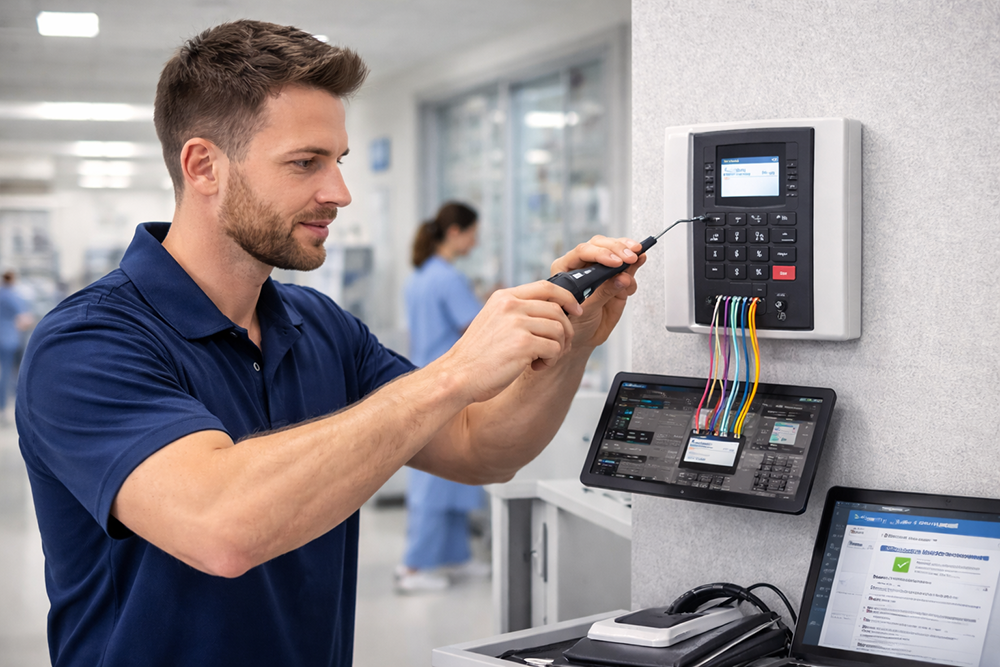
Unlike traditional intercoms, which often use wired systems that can be complex and costly to expand, VOIP intercoms are flexible and scalable. Hospitals can add new intercom units quickly and without extensive rewiring, making VOIP an ideal solution for hospitals that are growing or undergoing renovations.
Key Benefits of Switching to VOIP Intercom Systems
1. Enhanced Communication Efficiency
Communication is one of the most critical aspects of any hospital’s operations. VOIP intercom systems improve efficiency by enabling instant communication between staff members, departments, and even patients. Unlike traditional systems, which often require manually dialing extensions or connecting calls via an operator, VOIP systems allow hospital staff to instantly contact one another with the touch of a button. This leads to faster response times, reducing delays in patient care and improving overall hospital workflow.
In emergency situations, where every second counts, the ability to communicate quickly can mean the difference between life and death. VOIP intercom systems allow hospital staff to respond immediately to emergency calls, enhancing the hospital’s ability to handle critical situations.
2. Cost-Effectiveness and Scalability
Cost savings are a significant advantage of switching to a VOIP intercom system. Traditional intercom systems require extensive wiring and maintenance, leading to higher installation and operational costs. VOIP intercoms, on the other hand, operate over the existing internet network, reducing the need for complex cabling and infrastructure changes.
Moreover, VOIP systems are scalable. Whether a hospital needs to expand its communication network or add new units, VOIP technology allows for seamless integration without the need for expensive hardware or complex installations. Hospitals can quickly expand their intercom network as needed, ensuring they are always prepared to meet the growing demands of their facilities.
3. Integration with Other Hospital Systems
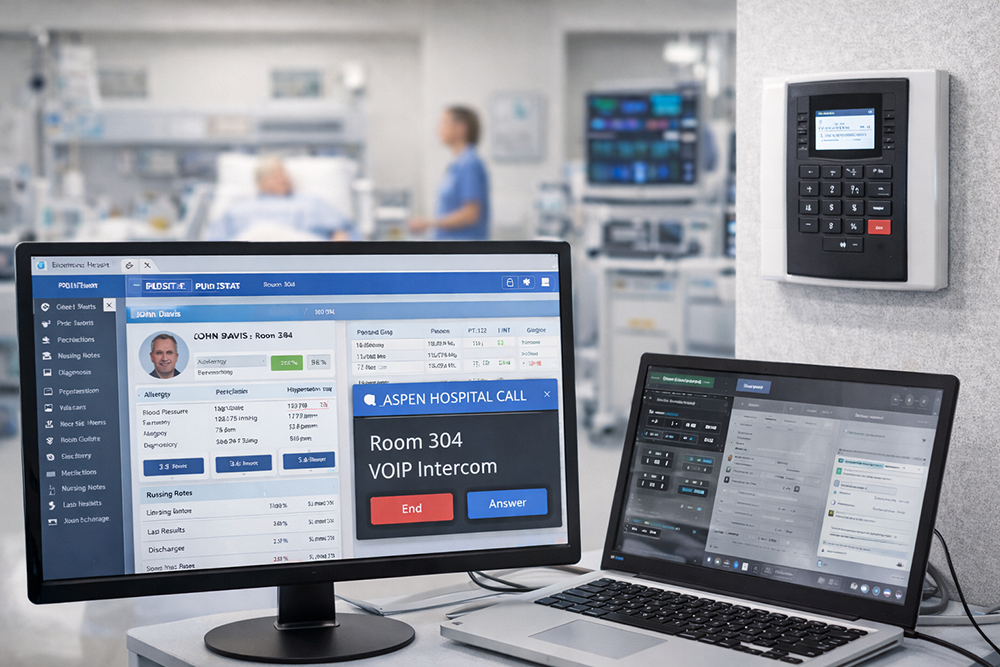
A significant advantage of VOIP intercom systems is their ability to integrate with other hospital systems, such as patient management software, medical records, and nurse call systems. This integration allows for more streamlined communication between departments and better access to real-time patient data.
For example, a nurse can use the VOIP intercom system to communicate with a doctor while simultaneously accessing a patient’s electronic health record (EHR) to update their status. This improves the overall workflow, reduces the chance of errors, and enhances the quality of care provided to patients. Additionally, VOIP systems can be integrated with mobile devices, allowing healthcare providers to stay connected from anywhere within the hospital, further enhancing flexibility and mobility.

4. Increased Mobility for Healthcare Staff
In large hospitals, staff members are often spread across multiple departments or floors. VOIP intercom systems allow for increased mobility, enabling healthcare providers to communicate with each other no matter where they are within the facility. Nurses, doctors, and other staff members can use VOIP-enabled mobile devices to stay in constant communication, ensuring that patient care is coordinated effectively.
For example, a doctor can move between patient rooms or even different departments while remaining in contact with other team members, receiving updates on patient conditions or urgent requests. This level of mobility makes it easier to provide care efficiently, reducing delays in treatment and improving the patient experience.
5. High-Quality Audio and Video Communication
Unlike traditional intercom systems that often suffer from poor audio quality or distortion, VOIP intercom systems provide high-definition voice clarity, ensuring that communication is crisp and easy to understand. This is especially important in critical care environments where clear communication is vital to the success of treatments and procedures.
Moreover, many VOIP intercom systems come with video capabilities, allowing for video calls between staff members or even between healthcare providers and patients. This feature can be particularly useful for remote consultations, telemedicine, or for providing visual instructions in medical procedures. The ability to see and hear each other in real-time further improves communication and reduces the likelihood of misunderstandings.

Considerations When Switching to VOIP Intercom Systems
While the benefits of VOIP intercom systems are clear, there are also some important considerations that hospitals need to take into account before making the switch.
1. Network Infrastructure
VOIP intercom systems rely on an existing internet network, so hospitals need to ensure that their network infrastructure is robust and capable of handling the additional load. A stable and high-speed internet connection is essential to ensure uninterrupted communication. Hospitals may need to upgrade their network infrastructure or invest in quality routers and switches to ensure that VOIP systems function optimally.
2. Security and Compliance
Hospitals must prioritize the security and confidentiality of patient data. VOIP systems must be HIPAA-compliant and ensure that all communications are encrypted to protect sensitive patient information. It’s important to choose a VOIP provider that understands the regulatory requirements of the healthcare industry and offers secure, encrypted communication channels.
3. Training and Support
Switching to a VOIP intercom system may require some training for hospital staff to ensure they are familiar with the new system and can use it effectively. Hospitals should plan for training sessions to help staff members understand how to operate the new intercom system and troubleshoot any potential issues. Additionally, hospitals should ensure that they have access to reliable customer support from the VOIP system provider in case of technical difficulties.
Conclusion
Switching to a VOIP intercom system is a smart decision for hospitals that want to improve communication, enhance patient care, and reduce operational costs. With benefits such as improved efficiency, scalability, integration with other hospital systems, and high-quality audio and video communication, VOIP intercom systems are quickly becoming the preferred solution in modern healthcare environments.
However, before making the switch, hospitals must carefully consider their network infrastructure, security needs, and staff training requirements. By doing so, they can fully leverage the advantages of VOIP technology to create a more efficient, connected, and patient-focused healthcare environment.
For hospitals that want to stay ahead of the curve and ensure they can meet the demands of modern healthcare, adopting a VOIP intercom system is an investment that will pay off in improved communication and better patient outcomes.
 MEEYI
MEEYI