


Top Features to Look for in a Warehouse Paging System
In today’s fast-paced warehouse environment, effective communication is key to maintaining operational efficiency. A paging system is one of the best tools warehouses can implement to streamline communication and reduce delays. Whether it’s to notify staff about inventory updates, coordinate shipping schedules, or alert personnel to urgent matters, a warehouse paging system plays a critical role in daily operations. But with so many different systems available, how can you determine which one will best suit your warehouse’s needs?
In this article, we will explore the top features to look for in a warehouse paging system, so you can make an informed decision that optimizes both productivity and safety.
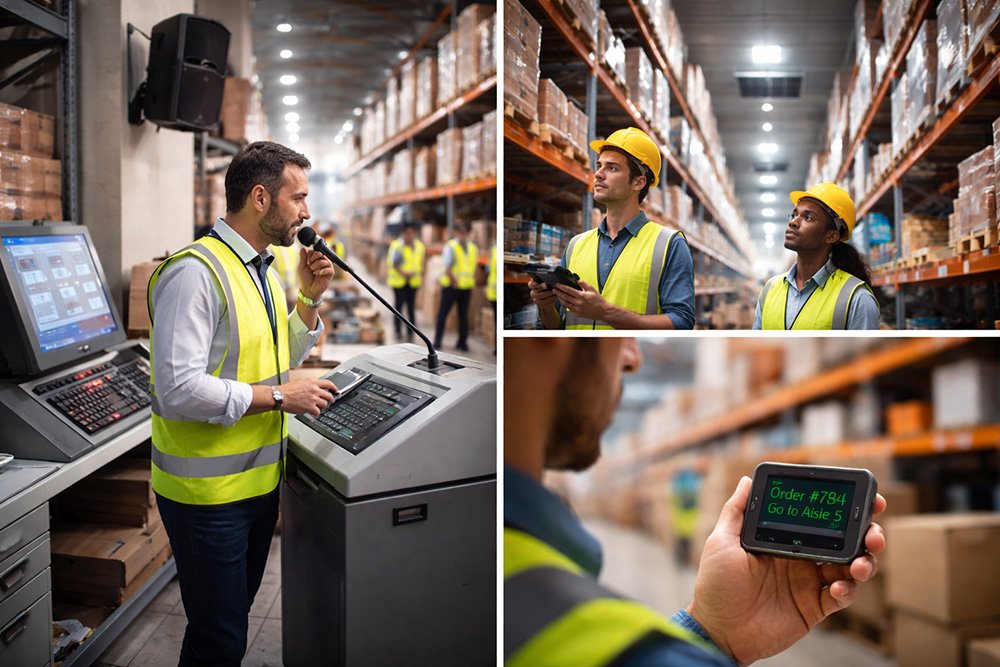
1. Real-Time Communication Capabilities
In a busy warehouse, time is of the essence. Workers need immediate access to information, whether it’s about order fulfillment, inventory changes, or equipment needs. The ability to communicate in real-time is one of the most important features of any warehouse paging system.
Real-time communication allows for instant notifications that can be delivered across the entire facility or to specific areas. For instance, if a shipment arrives late, a manager can immediately broadcast a message to the entire team, ensuring that everyone is on the same page. With real-time alerts, warehouses can minimize downtime and streamline decision-making.
Key Consideration: Ensure that the system can support instant alerts and is capable of sending notifications to both individuals and groups.
2. Integration with Warehouse Management Systems (WMS)
Warehouse Management Systems (WMS) are critical for managing inventory, orders, and other logistical tasks. However, managing these systems manually can be cumbersome. A well-integrated paging system can take your WMS to the next level.
A paging system that integrates seamlessly with your WMS allows for automated communication. For example, when a stock level falls below a preset threshold, the paging system can send an automated message to the inventory manager to replenish the stock. This eliminates the need for manual checks and ensures that critical tasks are performed in a timely manner.
Key Consideration: Look for a system that integrates with your existing WMS software and allows for automation, helping to avoid manual input.
3. Scalability
As warehouses grow, so does the need for efficient communication. A paging system must be scalable to handle increased operational demands. Whether you’re expanding your facility, adding more employees, or increasing your inventory levels, the system should be flexible enough to scale with your business.
Scalable systems offer multiple zones, where each zone can broadcast messages to specific areas within the warehouse. This is especially helpful for larger warehouses that may have distinct sections, such as loading docks, inventory storage, and packaging areas.
Key Consideration: Choose a paging system that can grow with your business and adapt to new challenges.
4. Multi-Channel Communication
While paging systems are often associated with audio alerts, many warehouses require multiple forms of communication to cater to diverse needs. In this context, a system that offers multi-channel communication is an excellent choice.
A modern warehouse paging system should support various types of communication, including text-based alerts, audio paging, email notifications, and even push notifications to mobile devices. This ensures that no matter where workers are located in the warehouse, they receive the message through the medium that’s most convenient for them.
Key Consideration: Opt for a paging system that supports a mix of communication channels and ensures messages reach employees in real-time, no matter their location.

5. User-Friendly Interface
Complexity can undermine the effectiveness of any technology, and the same goes for a warehouse paging system. A user-friendly interface is crucial for ensuring that warehouse managers and employees can easily send and receive messages. Whether it’s a touch screen or a simple desktop application, the system should be intuitive enough for anyone to use, regardless of technical expertise.
A well-designed interface should include features such as preset message templates, easy-to-navigate dashboards, and quick access to broadcast functions. This will reduce the time spent learning the system and increase the adoption rate across your team.
Key Consideration: Look for a system with a clean, easy-to-use interface, ideally one with customizable features that fit your team’s specific needs.
6. High Audio Clarity and Coverage
In a noisy warehouse environment, it’s essential that paging messages are loud and clear. Look for a system that offers high-quality audio with excellent volume and clarity, even in areas with heavy machinery or high traffic. This ensures that all important messages are heard, whether they are safety alerts or operational updates.
Additionally, the system should provide broad coverage to ensure that messages reach every corner of the warehouse. This is especially important in large warehouses where workers may be spread out across several floors or sections.
Key Consideration: Choose a system with robust audio output and multiple speakers distributed throughout your facility to cover all areas.
7. Emergency Alert Functionality
In any workplace, safety is the top priority. A paging system should have emergency alert functionality that can send immediate messages to the entire team in case of accidents, fires, or other urgent situations. These messages should be distinguishable from regular notifications, so employees can quickly recognize them and take appropriate action.
Some systems include a “panic button” feature, which allows employees to send an emergency message with just one press. This feature is critical for providing a quick response in high-pressure situations.
Key Consideration: Make sure the system includes an emergency alert feature that is both easy to activate and loud enough to grab attention.
8. Durability and Reliability
Warehouses are harsh environments. From fluctuating temperatures to dust and debris, your paging system must be built to withstand these challenges. A good paging system should be durable, with rugged hardware designed to last under tough conditions.
Moreover, the system should be reliable. Communication breakdowns in a warehouse can lead to delays, errors, and safety concerns. The paging system must be highly reliable, with backup features in place in case of power failures or system malfunctions.
Key Consideration: Look for a paging system with industrial-grade hardware, a backup power option, and high reliability ratings.
9. Customization and Flexibility
Every warehouse has unique operational requirements, and your paging system should be customizable to meet those needs. Whether it’s configuring specific message types, adjusting notification intervals, or setting up custom zones, flexibility is essential for optimizing communication.
Customizable features allow you to adapt the paging system to your workflows. For example, a warehouse that deals with perishable goods might require frequent stock level alerts, while a distribution center might prioritize shipment notifications.
Key Consideration: Find a system that allows for easy customization to tailor the solution to your warehouse’s specific needs.
10. Cost-Effectiveness
While a high-quality paging system is essential for warehouse efficiency, it’s also important to ensure that it provides value for money. Consider the long-term costs of installation, maintenance, and any additional features or upgrades. Look for a system that offers scalable pricing, so you only pay for what you need.
Also, some systems offer cloud-based solutions, reducing the need for expensive hardware upgrades and making it easier to manage and maintain the system remotely.
Key Consideration: Compare pricing and features to ensure the system offers a good balance of cost and functionality.
Conclusion
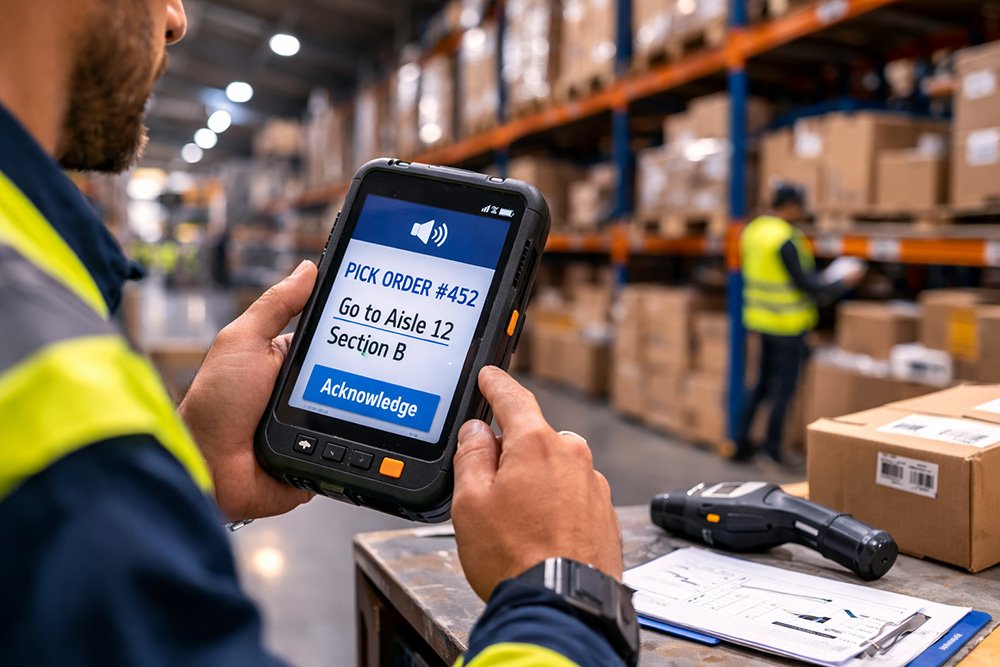
Selecting the right warehouse paging system is crucial for optimizing communication, enhancing productivity, and maintaining safety standards. By prioritizing real-time communication, scalability, integration with your WMS, and other essential features, you can ensure that your warehouse operates smoothly and efficiently. Investing in the right system will not only streamline daily operations but also improve overall team coordination, leading to better service for customers and greater profitability for your business.
 MEEYI
MEEYI