


In today’s fast-paced healthcare environment, effective communication is crucial to the smooth operation of hospitals and, more importantly, the quality of patient care. One key aspect of hospital communication systems is the intercom system. Traditionally, hospitals relied on outdated, analog intercom systems that were often cumbersome and limited in their functionality. However, with advancements in technology, the advent of VOIP (Voice Over Internet Protocol) intercom systems has revolutionized the way hospitals manage internal communication, offering enhanced reliability, flexibility, and integration with other hospital management systems.
In this blog, we will explore how VOIP intercom systems are enhancing communication and patient care in modern hospitals, focusing on their benefits, key features, and real-world applications.
What is a VOIP Intercom System?
Before delving into the benefits and applications, let’s first define what a VOIP intercom system is. VOIP is a technology that allows voice communication to be transmitted over the internet, bypassing traditional phone lines. When applied to intercom systems, VOIP enables hospitals to manage their communication needs through the internet, offering a host of advantages over traditional intercom setups.
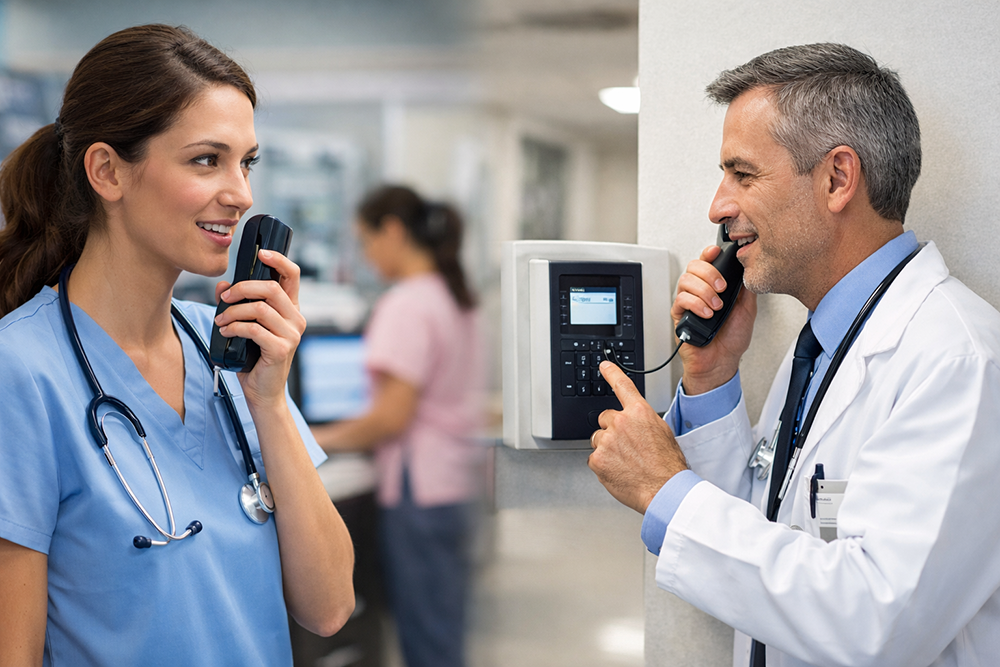
A VOIP intercom system consists of microphones, speakers, and interfaces that are connected via the internet. It allows for seamless, high-quality voice communication between hospital staff, departments, and even with patients. The system can be integrated with other VOIP devices, including telephones, pagers, and other communication tools, creating an interconnected and highly efficient communication network within the hospital.
Key Benefits of VOIP Intercom Systems in Hospitals
1. Enhanced Communication Efficiency
One of the most significant advantages of VOIP intercom systems is the enhancement of communication efficiency within hospitals. In a healthcare setting, timely communication can be the difference between life and death. VOIP systems are designed for faster and clearer communication between hospital staff members, from doctors and nurses to administrators and support staff.
For instance, VOIP systems provide instant voice communication that doesn’t require dialing extensions or waiting for an operator to connect a call. Whether it’s between departments, from a nurse station to patient rooms, or even to the cafeteria or emergency department, staff can relay critical information almost instantaneously. This improves the hospital’s workflow, minimizes delays, and, importantly, ensures that patient care is prioritized.

2. Cost-Effectiveness and Scalability
Another critical advantage of VOIP intercom systems is their cost-effectiveness, especially for large hospitals with multiple departments. Traditional intercom systems often require separate wiring for each intercom unit, maintenance costs, and sometimes expensive long-distance phone charges for communication. In contrast, VOIP systems leverage the existing internet infrastructure, significantly reducing installation and maintenance costs.
Additionally, VOIP systems are highly scalable. As hospitals grow or expand their services, they can add more intercom units without the need for additional wiring or complex installation processes. This makes VOIP intercoms an ideal choice for both small healthcare facilities and large hospital networks.
3. Integration with Hospital Management Systems
Modern hospitals rely heavily on integrated management systems to manage patient data, medical records, and departmental operations. VOIP intercom systems can be integrated with these existing systems to create a unified communication platform that connects all aspects of hospital operations. For example, a nurse can easily check a patient’s medical records through a VOIP-enabled terminal while simultaneously communicating with other healthcare professionals in real-time.
This integration ensures that information flows seamlessly across departments, improving coordination between various healthcare teams and ultimately enhancing patient care. It also reduces the chances of miscommunication, which can lead to errors in patient treatment or medication administration.

4. Improved Patient Communication
In addition to improving staff communication, VOIP intercom systems also offer enhanced communication between healthcare providers and patients. For example, patients in their rooms can easily communicate with nursing staff through the intercom system to request assistance, ask questions, or provide feedback. With VOIP, the communication is clear, real-time, and reliable, ensuring that patients’ needs are met promptly.
Some hospitals have also implemented voice recognition systems in their VOIP intercom networks, which allow patients to communicate with the system simply by speaking commands. This is especially beneficial for patients with disabilities, as it allows them to interact with the system without needing to physically press buttons or use a remote.
5. Flexibility and Mobility for Staff
VOIP intercom systems are highly flexible and mobile, allowing healthcare providers to communicate from anywhere within the hospital. Nurses, doctors, and other staff can use mobile VOIP-enabled devices, such as smartphones or tablets, to stay connected while on the move. This is particularly valuable in large hospitals where staff members may be spread across multiple floors or different wings.
In addition to offering mobility, VOIP systems allow staff to stay connected in emergency situations. For example, during a code blue (cardiac arrest) or other critical events, staff can instantly communicate through the VOIP intercom, ensuring quick coordination and response times.

Key Features of VOIP Intercom Systems for Hospitals
1. High-Quality Audio
For any intercom system, clear and reliable audio is paramount. VOIP intercoms provide high-definition audio, ensuring that messages are transmitted clearly even in noisy hospital environments. This is crucial in busy areas like emergency rooms or operating rooms, where every word matters.
2. Multi-Channel Communication
VOIP intercoms allow for multi-channel communication, meaning multiple conversations can take place simultaneously on different channels. This ensures that staff can handle multiple requests or tasks at the same time, improving overall hospital efficiency.
3. Video Communication
Some VOIP intercom systems are equipped with video capabilities, which is particularly useful for telemedicine applications. For instance, doctors can consult with patients remotely or provide visual instructions to nurses or other staff members, improving patient care even when in-person communication is not possible.
4. Secure and HIPAA-Compliant
Security is always a priority in healthcare settings, particularly when it comes to patient data. VOIP intercom systems can be configured to comply with HIPAA (Health Insurance Portability and Accountability Act) regulations, ensuring that all communication is secure and confidential. This is essential for maintaining patient privacy and complying with legal and regulatory standards.
Real-World Applications of VOIP Intercom Systems in Hospitals
1. Emergency Communication Systems
In hospitals, communication during emergencies is crucial for a quick and coordinated response. VOIP intercom systems allow staff to immediately communicate critical information to the right people, whether it’s for a code blue, fire alarm, or disaster response. This ensures a faster, more efficient emergency response, ultimately saving lives.
2. Patient Monitoring and Alerts
VOIP intercom systems can be integrated with patient monitoring devices to provide real-time alerts to healthcare providers. For instance, if a patient’s vital signs begin to deteriorate, an alert can be sent via the intercom system to the appropriate nurse or doctor. This integration ensures that care providers are aware of potential issues before they escalate.
3. Nurse Call Systems
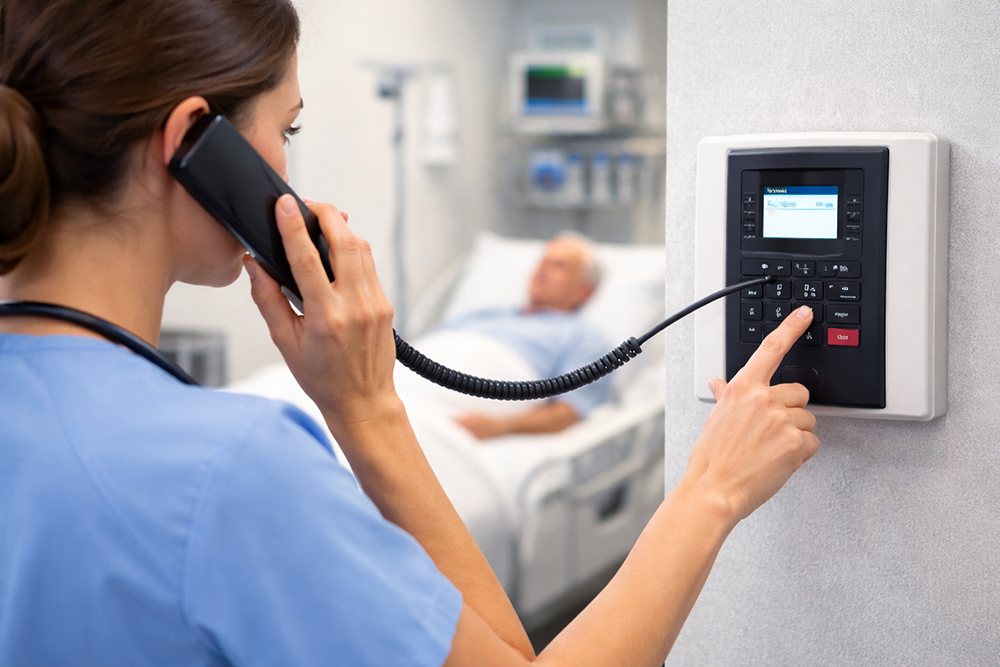
VOIP intercom systems can replace traditional nurse call systems. Patients can communicate directly with nurses through the intercom, alerting them to any needs or concerns. This ensures that patient requests are promptly addressed, enhancing patient satisfaction and care quality.
Conclusion
In conclusion, VOIP intercom systems are a game-changer for modern hospitals, improving communication efficiency, enhancing patient care, and reducing operational costs. By leveraging the power of the internet, these systems offer seamless, high-quality communication between staff members and patients, enabling hospitals to operate more smoothly and provide better care. As healthcare continues to evolve, the adoption of VOIP intercom systems will play a key role in shaping the future of hospital communication. For hospitals looking to enhance their operations, adopting a VOIP intercom system is not just an option; it’s a necessity for staying competitive and ensuring the best patient care possible.
 MEEYI
MEEYI