


The Evolution of Patient Call Systems
In the world of healthcare, effective communication between patients and healthcare providers is paramount. One of the most essential tools for facilitating this communication is the patient call system. Over the years, patient call systems have undergone significant transformation, evolving from basic, manual systems to sophisticated, integrated digital solutions. These advancements have not only improved the efficiency of healthcare services but have also enhanced the overall patient experience, making it easier for patients to communicate their needs and for healthcare providers to respond promptly.
In this article, we will explore the evolution of patient call systems, from their humble beginnings to the modern-day innovations that are revolutionizing healthcare communication. We will discuss the technological advances, key features, and benefits of today’s patient call systems, as well as the future trends that will shape the healthcare landscape.

The Early Days: Basic Push-Button Systems
The earliest patient call systems were simple and mechanical, consisting of a bell or a button connected to a central nursing station. These systems were primarily designed to notify healthcare staff when a patient required assistance. Typically, the patient would press a button or pull a cord located near their bed, which would trigger a bell or light at the nurse’s station. While this basic system allowed patients to request help, it had significant limitations.
First, the system was entirely manual, meaning that healthcare staff had to constantly monitor the bell or light at the nurse’s station to respond to patient calls. There was no way to track response times or identify the urgency of each call, leading to delays in care. Additionally, the system did not provide any direct communication between patients and caregivers, making it difficult to convey specific needs or requests before the caregiver arrived.
While these early systems were a step forward in improving patient care, they still left much to be desired in terms of efficiency, reliability, and patient satisfaction.
The Introduction of Electronic Systems: The Shift to Digital
As hospitals and healthcare facilities grew in size and complexity, the limitations of mechanical patient call systems became more apparent. The need for a more efficient and reliable communication system led to the development of electronic patient call systems in the mid-20th century.
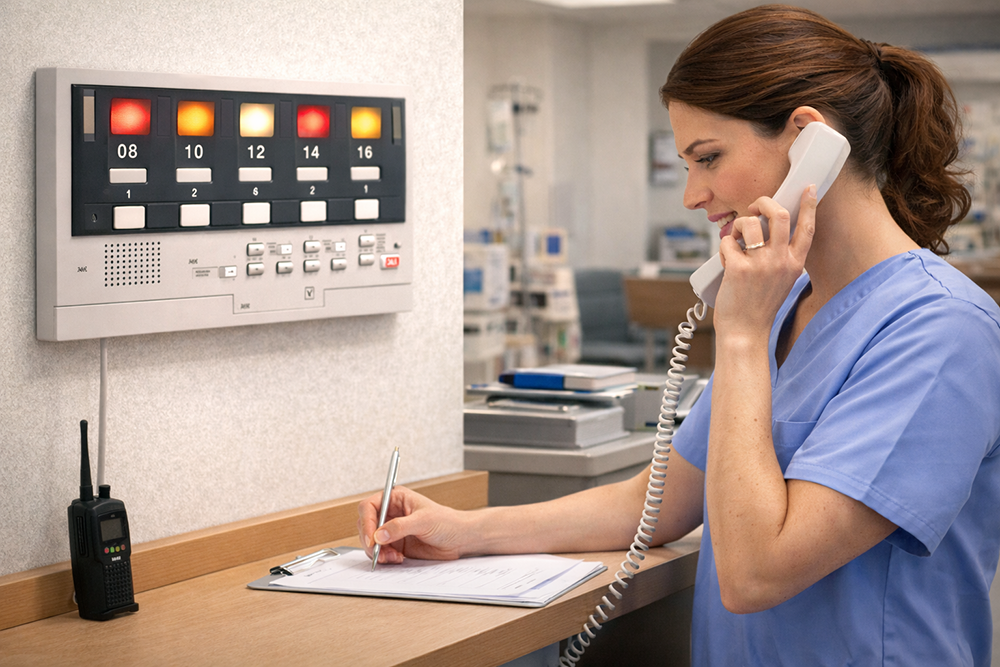
Electronic systems introduced several important improvements over their mechanical predecessors. For example, the introduction of lights and visual indicators allowed healthcare providers to identify which patient needed assistance without the need to constantly monitor the nurse’s station. This made the system more efficient and reduced response times.
Additionally, some electronic systems incorporated two-way communication, allowing patients to speak directly to healthcare providers from their bedside. This innovation was a significant leap forward, as it enabled healthcare staff to triage calls more effectively and prioritize urgent requests. For instance, if a patient was experiencing pain or needed immediate assistance, the staff could assess the situation without having to physically visit the patient’s room first.
Despite these advancements, the electronic systems of this era were still limited by their basic functionality. While they allowed for two-way communication, the systems were often standalone, meaning that they were not integrated with other hospital systems like electronic health records (EHR) or nurse scheduling systems. As a result, the communication process was still somewhat fragmented and inefficient.
The Rise of Integrated Systems: The 1990s to Early 2000s
The 1990s and early 2000s marked a period of rapid innovation in healthcare technology, and patient call systems were no exception. The integration of patient call systems with other hospital technologies, such as nurse call systems, electronic health records (EHR), and patient monitoring systems, began to transform the way healthcare facilities managed patient care.
Integrated patient call systems allowed for a more seamless flow of information between patients, healthcare providers, and hospital management systems. For example, when a patient pressed the call button, the system could not only notify the nurse but also provide relevant patient information, such as the patient’s medical history, allergies, and current medications, directly on the nurse’s screen. This integration helped healthcare providers make more informed decisions, reducing the likelihood of errors and improving the quality of care.
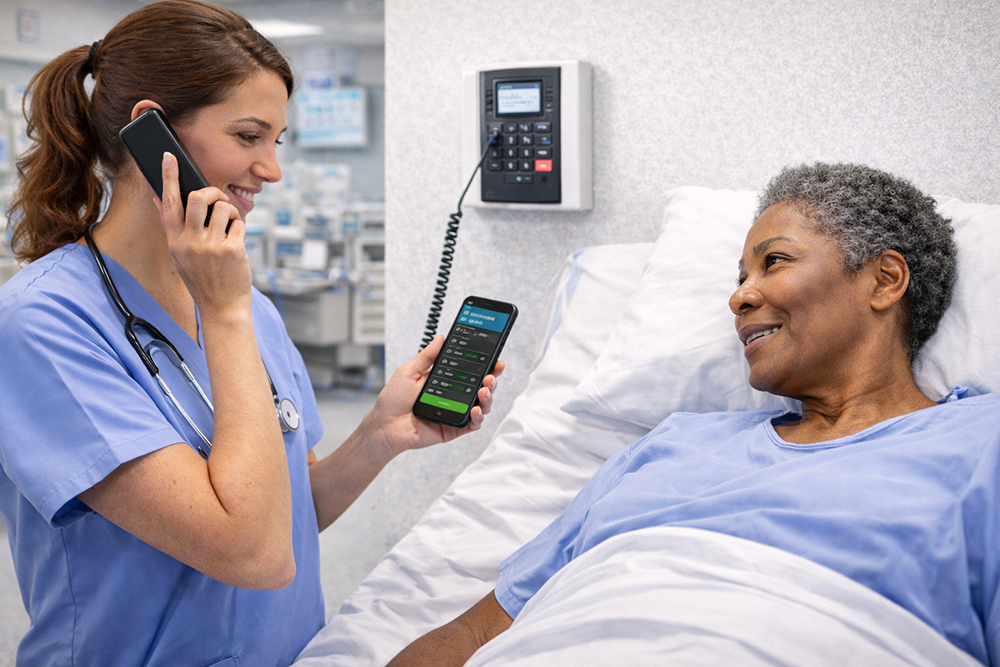
Furthermore, these systems began to offer features like mobile alerts, allowing healthcare staff to receive notifications about patient calls on their smartphones or tablets. This advancement meant that staff members no longer had to be tethered to a fixed nurse’s station to respond to patient requests, leading to greater flexibility and faster response times.
In addition to these technological improvements, the integration of patient call systems with EHRs allowed for better tracking and monitoring of patient requests. Healthcare facilities could now track response times, identify patterns in patient needs, and gather data that could be used to optimize care delivery. This data-driven approach not only improved operational efficiency but also enhanced patient satisfaction by ensuring that patients received timely and appropriate care.

Modern-Day Solutions: VOIP and Wireless Technology
The advent of VOIP (Voice Over Internet Protocol) technology in the 2000s revolutionized patient call systems once again. VOIP technology, which allows for the transmission of voice and data over the internet, enabled healthcare facilities to implement more sophisticated, scalable, and flexible communication systems. Today’s patient call systems, often powered by VOIP, allow for real-time, two-way communication between patients and healthcare providers, along with a host of other advanced features.
One of the key advantages of modern VOIP-based patient call systems is their ability to integrate seamlessly with other hospital systems, such as nurse scheduling, EHRs, and alarm management systems. When a patient calls for assistance, the system can notify the appropriate nurse or doctor based on their current location, workload, and specialty, ensuring that the right person is dispatched to the patient’s room. This integration also allows for more efficient communication between departments, improving overall care coordination.
Additionally, modern patient call systems often include wireless capabilities, allowing healthcare providers to carry mobile devices that are connected to the system. Nurses, doctors, and other staff members can receive notifications about patient calls directly on their smartphones or wearable devices, enabling them to respond quickly and efficiently from anywhere in the hospital. This mobility is especially important in large hospitals or multi-floor healthcare facilities, where staff may be spread out across different areas.
Furthermore, these systems offer features like automated call prioritization, where urgent patient requests are flagged and routed to the appropriate personnel for immediate attention. This helps prevent delays in care and ensures that patients with the most critical needs are addressed first.
The Future of Patient Call Systems: Trends and Innovations
As healthcare technology continues to evolve, the future of patient call systems looks even more promising. One of the most exciting trends is the integration of artificial intelligence (AI) and machine learning into patient call systems. AI-powered systems can analyze patient requests in real time, predict potential issues, and prioritize calls based on urgency. For example, if a patient requests pain medication, the system could automatically flag the request as urgent and send an immediate alert to the appropriate nurse.
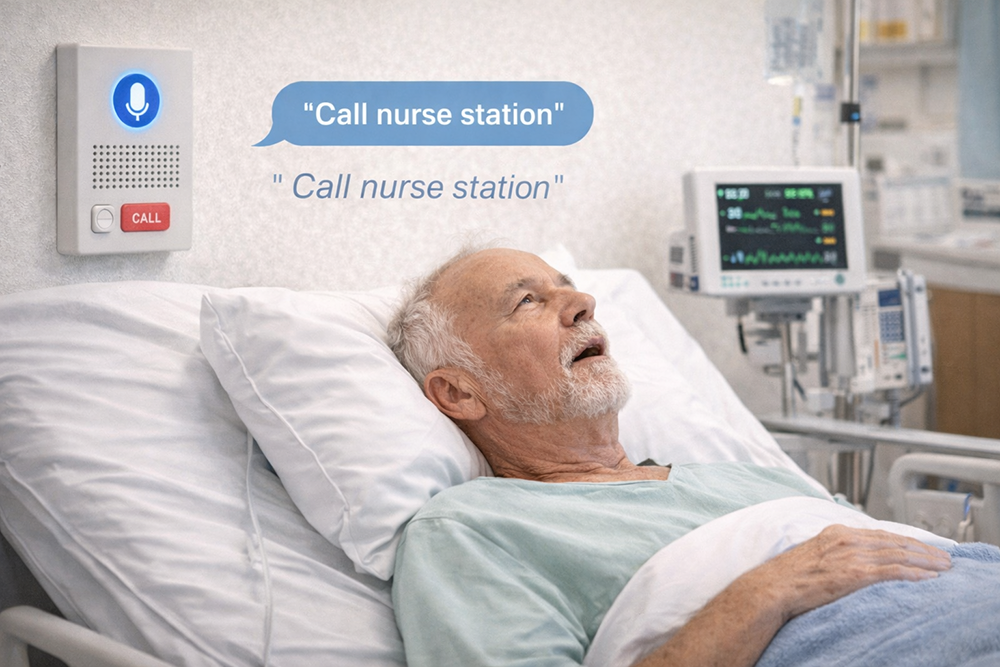
Another emerging trend is the use of voice-activated patient call systems. These systems use voice recognition technology to allow patients to request assistance without having to physically press a button. This feature is particularly useful for patients with limited mobility, as it provides a hands-free way to communicate with healthcare providers.
Additionally, the rise of telemedicine and remote patient monitoring is likely to influence the development of patient call systems. In the future, patients may be able to use their call systems to initiate telemedicine consultations with doctors, allowing for remote diagnoses and treatments without the need for in-person visits. This could be especially beneficial for patients in rural areas or those with chronic conditions who require frequent monitoring.
Conclusion
The evolution of patient call systems has been a journey of continuous innovation, driven by the need for better communication, faster response times, and improved patient care. From the early mechanical systems to today’s sophisticated VOIP and wireless solutions, patient call systems have transformed healthcare facilities by making communication more efficient, integrated, and patient-centered.
As technology continues to advance, call systems will play an increasingly important role in ensuring that patients receive timely and appropriate care. The integration of AI, voice recognition, and telemedicine into these systems will further enhance the ability of healthcare providers to respond to patient needs in real time, improving both the efficiency of hospital operations and the overall patient experience.
Hospitals and healthcare facilities that adopt these modern patient call systems will not only enhance their communication capabilities but will also be better positioned to meet the demands of an increasingly complex and dynamic healthcare landscape. The future of patient call systems is bright, and the benefits they offer in terms of patient care, operational efficiency, and staff satisfaction are undeniable.
 MEEYI
MEEYI