


Restaurant Server Pager System: Enhancing Efficiency and Customer Satisfaction
In the fast-paced world of restaurants, customer satisfaction and efficient service are essential for success. A restaurant server pager system offers an innovative solution to streamline communication between customers and servers, improving both operational efficiency and the dining experience. This system enables quick and effective communication, reducing wait times, minimizing misunderstandings, and enhancing customer engagement.
Understanding the Restaurant Server Pager System
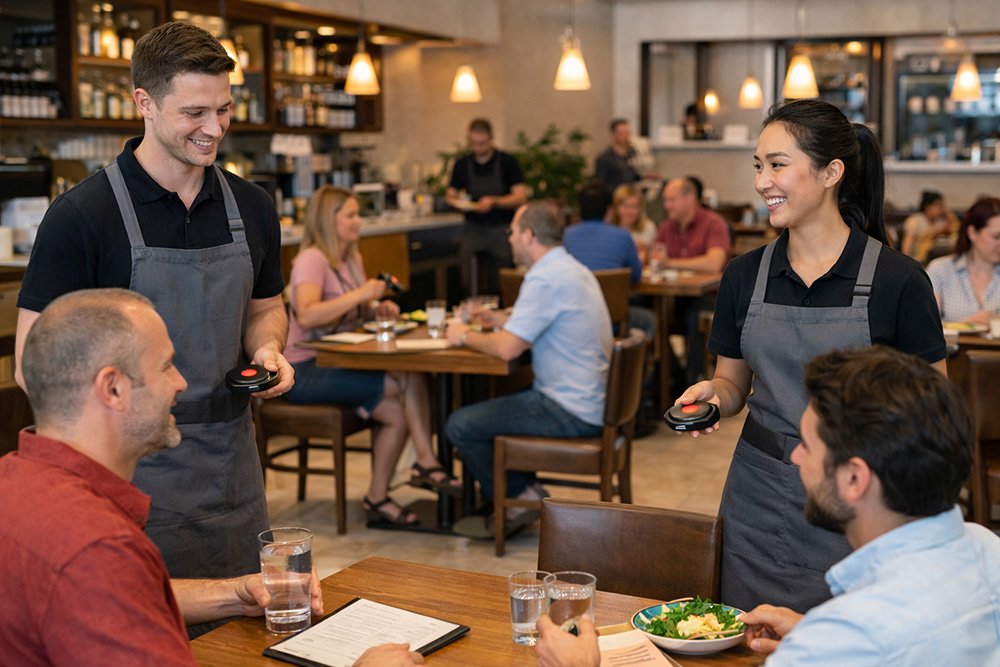
A restaurant server pager system is a tool used to facilitate communication between servers and customers. The system typically consists of two main components: the pagers (which are given to customers) and a central unit (used by the restaurant staff). Customers are handed a pager when they are seated or after ordering, and when their food is ready or their table is ready for them, the server uses the central unit to send a signal to the pager. The pager then vibrates or lights up to alert the customer.
How the System Works
- Pagers: Customers receive a small, portable pager that can be carried around.
- Central Unit: This is used by the staff to trigger the pager when a task is complete or when the customer is needed.
- Signal Options: The system may include vibration, flashing lights, or both to alert customers.
Key Benefits of Using a Restaurant Server Pager System
Improved Communication
Communication between servers and customers can often be a challenge, especially in busy restaurants. The server pager system eliminates the need for servers to constantly check back with customers, and it allows customers to move freely around the restaurant without worrying about missing their order.
Enhanced Customer Experience
Customers no longer need to wait anxiously for their food or when a table becomes available. The pager system allows for greater flexibility, providing a seamless dining experience by reducing the time spent waiting and increasing their overall satisfaction.
Faster Service
When staff is able to communicate with customers efficiently, the overall service speed increases. A server pager system ensures that orders are delivered on time, tables are cleared promptly, and customers are seated quickly. This improves table turnover rates and helps in accommodating more customers during peak times.
Reduced Errors
By streamlining communication, the server pager system minimizes the chances of miscommunication. This can lead to fewer errors in orders, fewer complaints from customers, and fewer items sent back to the kitchen.
Increased Staff Productivity
The pager system helps staff focus on their tasks without needing to walk around looking for customers or repeating the same communication. This allows them to attend to other tasks, improving overall productivity.

Types of Server Pager Systems Available
There are different types of server pager systems available, each suited to different types of restaurant environments. These systems vary in terms of range, design, and functionality.
Basic Pager Systems
These are simple and cost-effective systems, suitable for smaller restaurants or fast-casual dining establishments. Basic systems allow for paging customers for seating or when orders are ready.
Advanced Pager Systems
Advanced systems come with additional features such as multi-way communication, integration with the POS system, and customizable alerts for different staff roles. These systems are ideal for larger restaurants with high customer traffic and complex service needs.
Wireless Calling Systems
These systems typically offer features like a wireless calling button that customers can press when they need assistance. The server will then receive a notification via their pager or mobile device.
Implementing a Restaurant Server Pager System
While adopting a restaurant server pager system can be an excellent step forward in improving service efficiency, there are several considerations to ensure its successful implementation.
Choosing the Right System for Your Restaurant
It’s important to evaluate the needs of your restaurant before choosing a system. Consider factors such as:
- The size of the restaurant.
- The volume of customers served.
- The specific functions you need (e.g., customer seating, order readiness, etc.).
- Integration with existing systems (such as POS or kitchen order systems).
Training Your Staff
Training is crucial for ensuring that the server pager system is used effectively. Make sure that all employees understand how to operate the system, how to communicate with customers, and how to troubleshoot any potential issues.
Maintaining the System
Regular maintenance is required to keep the system in top working condition. This includes checking the batteries of pagers, ensuring the central unit is working, and keeping the pagers clean and charged.

Real-World Case Studies of Successful Implementation
Example 1: A Popular Fast-Casual Chain
In a fast-casual restaurant chain, the introduction of a server pager system drastically reduced the average wait time for customers. Patrons were able to walk around the restaurant or wait in comfort without worrying about missing their order being ready. As a result, customer satisfaction scores improved, and the restaurant saw a 10% increase in repeat visits.
Example 2: Fine Dining Experience
A high-end restaurant integrated a pager system into its dining experience, allowing guests to be notified when their table was ready. This system helped streamline the reservation process and allowed the restaurant to offer a more personalized dining experience.
Challenges to Consider When Using a Restaurant Server Pager System
While the benefits are significant, there are some challenges to be aware of:
Potential for Malfunction
Like any technology, a server pager system is subject to malfunctions. This could result in delays or missed communications, so it’s essential to have backup protocols in place.
Cost
The initial investment in a server pager system can be costly, especially for small restaurants. However, the long-term benefits, including improved service speed and customer retention, usually outweigh the upfront costs.
Customer Expectations
Some customers may not be familiar with using pagers and may expect traditional methods of communication. It’s important to educate your customers and ensure that they are comfortable with the new system.
Why Every Restaurant Needs a Server Pager System
The restaurant industry thrives on customer satisfaction and operational efficiency. A server pager system can significantly improve both by enhancing communication, increasing speed of service, and boosting productivity. Although the initial investment and training may require effort, the long-term benefits of increased customer loyalty, faster service, and improved overall efficiency make it a worthwhile addition to any restaurant’s operations.
With the proper implementation, a restaurant server pager system can streamline your restaurant’s communication, reduce errors, and elevate the dining experience for both customers and staff. Whether you’re running a fast-casual dining spot or a fine-dining establishment, investing in this technology will ultimately drive customer satisfaction and operational success.
Looking to improve your restaurant’s service efficiency? Consider implementing a restaurant server pager system today. Contact us to learn more about the different pager systems available for your restaurant!
 MEEYI
MEEYI