


Nursing homes are crucial facilities that provide long-term care to elderly individuals who are no longer able to live independently. Among the many essential systems in place to ensure the well-being of these residents, the nursing home call light system plays an integral role in enhancing the level of care. These systems are designed to offer immediate communication between residents and caregivers, ensuring that residents can call for help whenever they need it.
In this post, we’ll explore the importance of nursing home call light systems, how they work, the types available, and the benefits they provide both to residents and staff. We’ll also discuss how these systems contribute to improving safety, increasing response times, and ensuring quality care for those in need.
What Is a Nursing Home Call Light System?
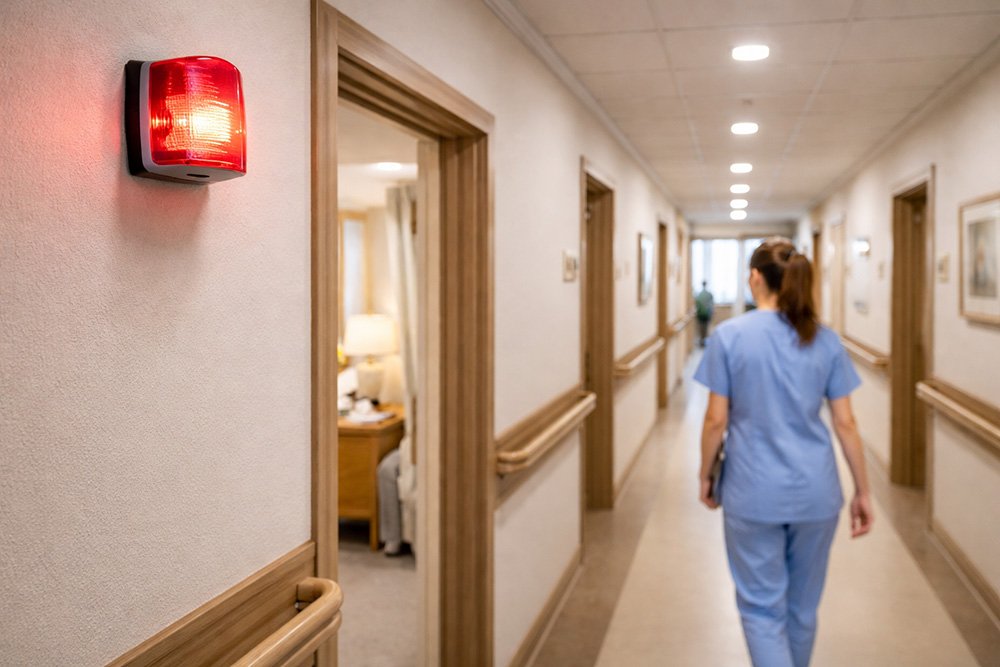
A nursing home call light system is a communication tool used in long-term care facilities to enable residents to alert staff members when they require assistance. These systems are equipped with features that allow residents to notify caregivers about medical needs, personal assistance, or emergencies. Typically, the system includes call buttons, lights, and audible alarms located in the residents’ rooms, bathrooms, and common areas.
The system consists of several components:
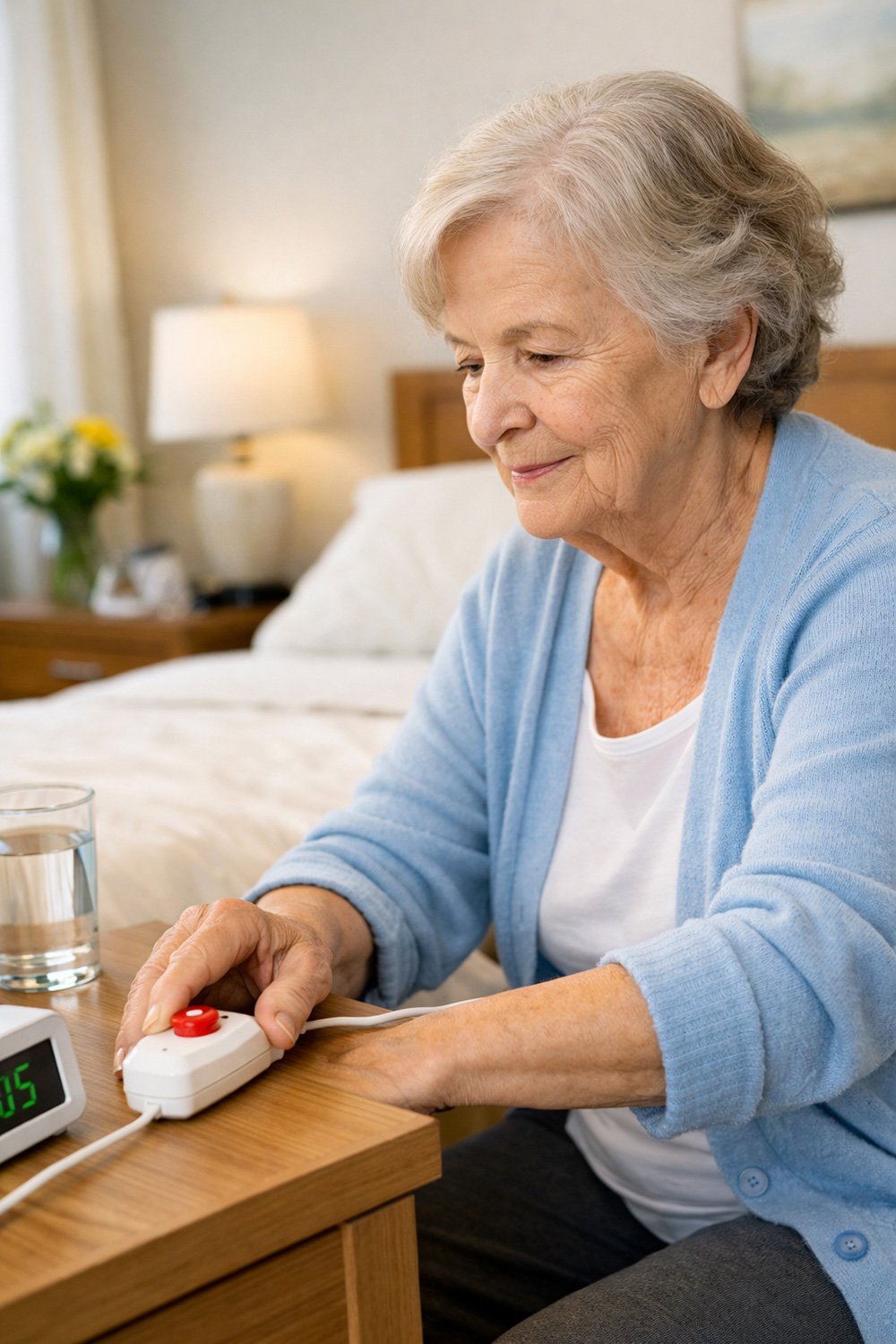
Call Buttons: Typically placed near the bed, in the bathroom, or at the entrance of the room. When pressed, they activate the system to alert caregivers.
Lights: Visual signals (often a flashing light) that help caregivers quickly identify which room requires attention.
Audible Alerts: Alarms or chimes that notify caregivers of a call for help.
These systems are designed to improve response times and help prioritize residents’ needs, ensuring they receive timely attention, whether it’s for medical issues or simple requests for assistance.
Why Nursing Home Call Light Systems Are Crucial
1. Ensuring Resident Safety
Nursing homes are filled with residents who may have limited mobility, cognitive impairments, or medical conditions that require constant monitoring. A call light system ensures that, in case of emergency, help can be summoned immediately. This is particularly crucial for residents at risk of falling, having a stroke, or experiencing other medical emergencies.
By installing a call light system, nursing homes create a safer environment where residents can easily request assistance if they feel unwell, need to use the restroom, or require help with other activities. The system provides peace of mind to both residents and their families, knowing that caregivers are always just a call away.
2. Improving Caregiver Efficiency and Response Times
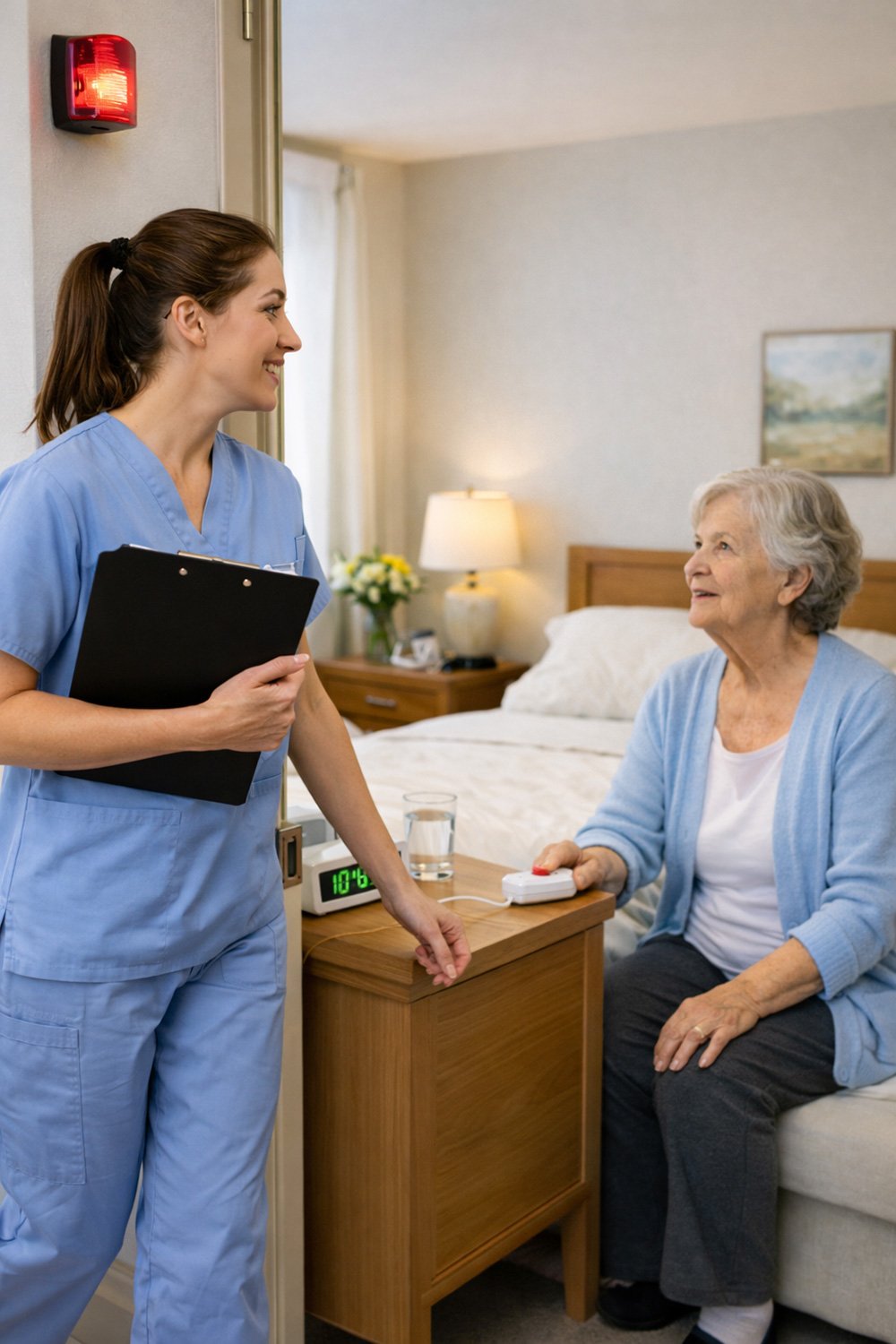
In busy nursing homes, staff may be responsible for multiple residents at once. A call light system enables caregivers to know where their attention is most needed at any given time. The visual and audible alerts help staff quickly identify which rooms require their attention, allowing them to respond faster and more efficiently.
These systems can also be integrated with staff pagers or mobile devices, allowing caregivers to respond to calls without needing to return to a central station. The result is quicker and more effective responses to residents’ needs, enhancing overall care.
3. Boosting Resident Satisfaction
A nursing home call light system provides residents with a sense of independence and security, knowing they can reach out for help when needed. It fosters a sense of comfort, as residents no longer have to struggle to get attention from staff. This improved communication enhances the overall experience, contributing to greater satisfaction for both residents and their families.
Types of Nursing Home Call Light Systems
There are various types of nursing home call light systems, each offering different features tailored to the needs of the facility. These include:
1. Basic Call Light Systems
These are the most straightforward and commonly used systems. They consist of call buttons that activate a light and/or audible signal. The caregiver can then respond by entering the resident’s room to provide assistance. These systems are typically cost-effective but can be limited in functionality.
2. Wireless Call Light Systems
Wireless systems use radio frequencies or Wi-Fi to transmit alerts from residents to caregivers. These systems provide the benefit of easy installation, especially in existing facilities where rewiring may not be feasible. Wireless systems are often more flexible and scalable, making them ideal for larger nursing homes.
3. Advanced Call Light Systems
These systems often include integration with other technologies such as nurse call monitoring software, mobile apps, and staff communication systems. These more advanced setups allow for detailed tracking of response times, communication between caregivers, and management of multiple resident needs. Some systems can even integrate with medical devices to provide more comprehensive monitoring.
4. Touchscreen Call Light Systems
Some modern nursing homes have adopted touchscreen-based call systems, where residents can simply press a button or icon on a touchscreen to request assistance. These systems are user-friendly and can offer more options, such as setting reminders or adjusting room settings (e.g., light, temperature).
Benefits of Nursing Home Call Light Systems
1. Faster Response to Emergencies
When an elderly resident presses the call button, the system immediately notifies caregivers, ensuring a faster response time, especially during emergencies. This quick communication can be the difference between life and death in critical situations like heart attacks or strokes.
2. Improved Staffing Coordination
The system allows staff to coordinate their activities more effectively, as they can immediately see which rooms require attention. This reduces the time spent searching for residents or checking multiple rooms, leading to a more streamlined caregiving process.
3. Cost-Efficiency
Although installing a call light system may seem like a significant investment, it is cost-effective in the long term. By improving care quality and reducing emergency incidents, facilities can avoid the higher costs associated with prolonged hospital stays or litigation due to neglect or safety issues.
4. Enhanced Communication and Satisfaction
A call light system fosters communication between staff and residents, which helps in improving the overall quality of care. Residents who can easily ask for help feel valued, while families appreciate knowing their loved ones are receiving the attention they need.
How Call Light Systems Contribute to Regulatory Compliance
In many regions, nursing homes must adhere to specific healthcare regulations that ensure resident safety and quality care. Call light systems are often a part of these regulations, as they are considered a fundamental tool for ensuring residents’ well-being.
For example, The Centers for Medicare and Medicaid Services (CMS) in the United States requires nursing homes to have systems in place for immediate communication between residents and caregivers. A well-maintained and responsive call light system ensures compliance with these regulations and minimizes the risk of penalties for non-compliance.
Conclusion
Nursing home call light systems are more than just a convenience; they are an essential component of resident care and safety. These systems enable residents to quickly request assistance in case of medical emergencies, ensure that caregivers can respond in a timely manner, and contribute to a more efficient and organized care environment. By investing in high-quality call light systems, nursing homes can improve the overall care experience, enhance safety, and ensure compliance with regulatory standards. Ultimately, these systems play a vital role in providing peace of mind to residents and their families, knowing that help is always just a call away.
 MEEYI
MEEYI