


Call Light: Medical Definition, Importance, and Usage in Healthcare
In healthcare settings, a call light is a crucial tool that enables patients to communicate with nurses and medical staff. Whether in hospitals, nursing homes, or long-term care facilities, call lights provide patients with a means to alert caregivers when they need assistance. This post explores the medical definition of call lights, their importance, functionality, and how they contribute to improved patient care.
What is a Call Light?
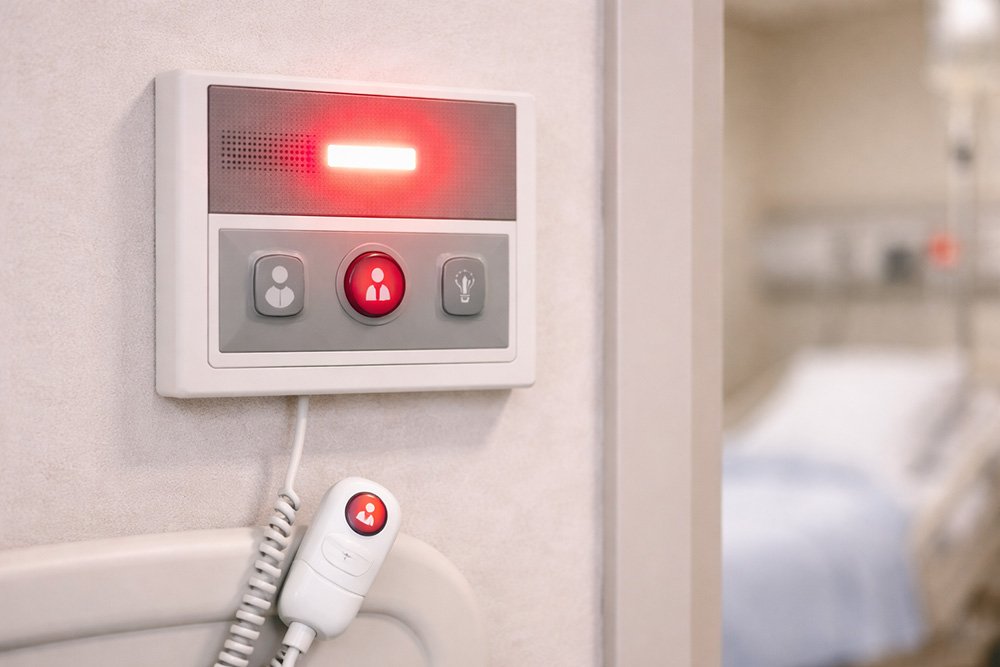
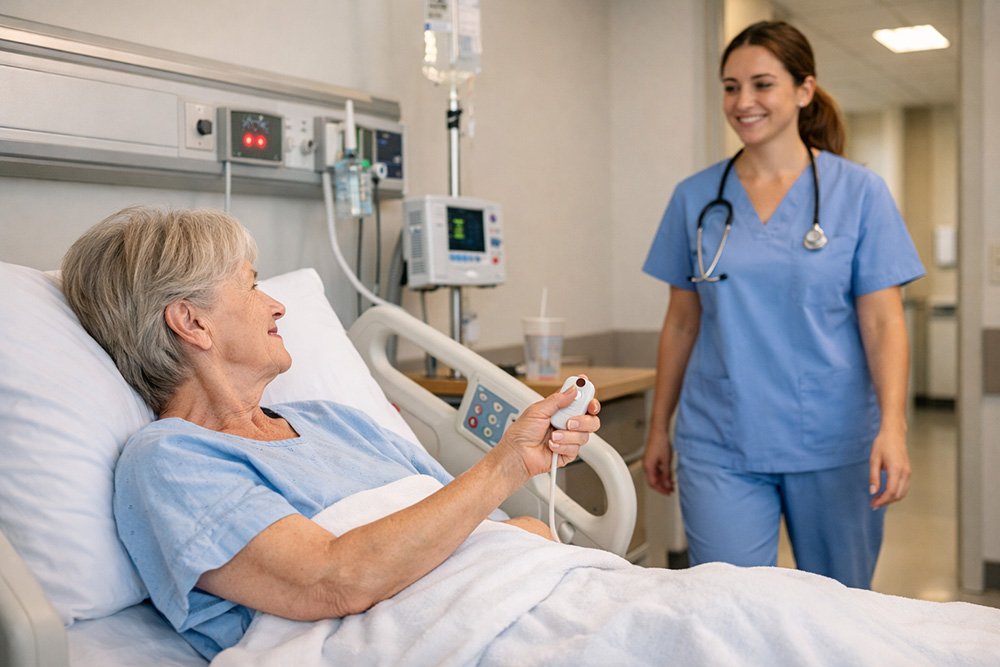
A call light is a signaling device that allows patients to request help from caregivers. Most commonly found in patient rooms, the call light system includes a button or switch located near the bed, within easy reach of the patient. When the patient needs assistance, they press the call button, which alerts the healthcare staff to their presence and need for attention.
Call lights are typically integrated with the facility’s nurse call system, which alerts medical professionals about the patient’s request. Depending on the system’s design, the alert may be visual, auditory, or both, ensuring that the nurse or caregiver is notified promptly.
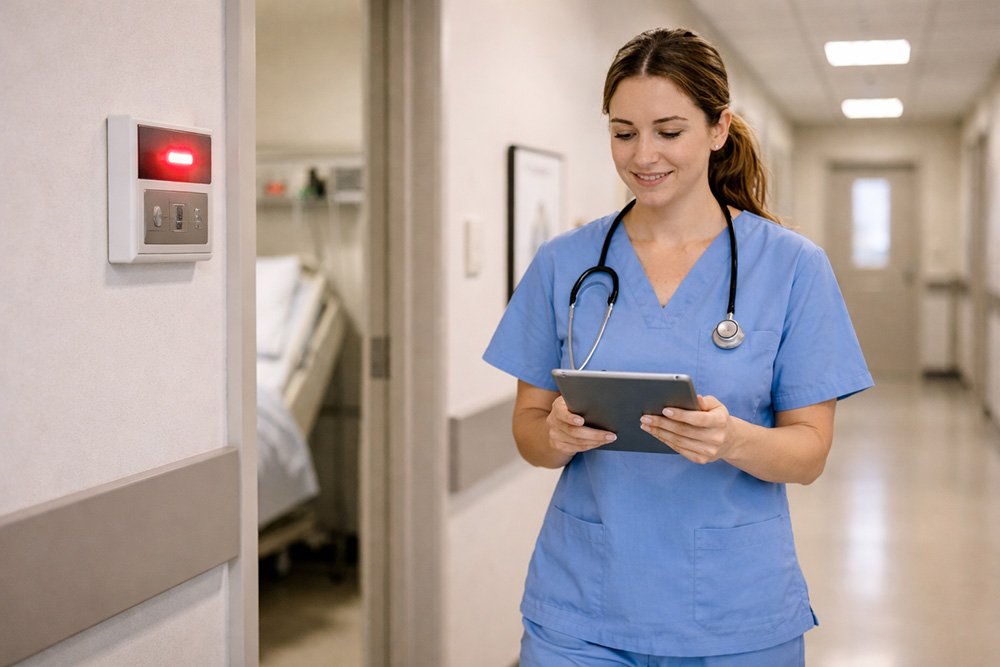
The system often includes a light outside the patient’s room to signal to staff members that assistance is required. Some call light systems also feature audio notifications, such as beeping or chimes, so that caregivers can hear the alert from various areas of the healthcare facility.
Why Are Call Lights Important in Healthcare?
Call lights play an essential role in enhancing patient care and safety. The reasons they are vital include:
Immediate Access to Care
Patients in healthcare facilities often experience pain, discomfort, or medical emergencies. Call lights provide a direct line of communication with staff, ensuring that patients can request assistance whenever they need it.Improved Response Time
With an easy-to-use call light system, healthcare staff can quickly respond to patient requests. This prompt response is particularly critical for patients who may require urgent medical attention, such as those recovering from surgery or experiencing a sudden medical issue.Enhanced Patient Satisfaction
Patients who feel that they can easily communicate with healthcare providers are more likely to be satisfied with their care. Call lights reduce patient anxiety by ensuring they can quickly get help when necessary. This, in turn, can improve the overall patient experience.Increased Safety
Call lights help minimize the risk of falls or accidents, as patients can alert caregivers if they need assistance moving or getting out of bed. This ensures that staff can offer support to patients who might be at risk of injury, improving patient safety.Better Workflow for Healthcare Providers
Call lights streamline communication between patients and caregivers, making it easier for staff to prioritize tasks and manage their time. A well-organized system ensures that staff can attend to all patients efficiently without missing critical requests.
Components of a Call Light System
A typical call light system consists of several components, each designed to improve communication and response times:
Patient Unit
The patient unit usually consists of a button or switch placed within easy reach of the patient, typically on the bed or wall. Some advanced systems include wireless buttons or wearable devices that patients can carry or wear for convenience.Nurse Station or Central Console
This is where the staff receives the alert. In modern systems, the nurse station may display detailed information about the patient’s room and the nature of the request. The staff member can then respond accordingly.Indicator Light or Audio Notification
An indicator light outside the patient’s room alerts caregivers that help is needed. This is often accompanied by a sound, such as a chime or a bell, to notify staff who may be further away.Communication Interface
In more advanced systems, there is a two-way communication interface, which allows the nurse or staff member to speak with the patient directly through the call light system. This feature is especially helpful for patients who may need assistance but do not require immediate physical intervention.Emergency Button
In some systems, there is a dedicated emergency button for patients to press if they are in distress or need immediate medical attention. This button typically triggers an urgent alert to the healthcare staff, signaling that the patient requires rapid response.
Types of Call Light Systems
There are various types of call light systems used in healthcare facilities, each offering different features based on the needs of the facility:
Basic Wired Systems
Traditional call light systems are often hardwired into the building’s infrastructure. These systems are straightforward and reliable, providing a simple method for patients to communicate their needs. However, they may not offer the flexibility or advanced features found in newer systems.Wireless Systems
Wireless call light systems offer greater flexibility and ease of installation. These systems can be quickly set up without the need for extensive wiring, making them ideal for temporary setups or buildings where retrofitting is difficult. They are also portable, allowing patients to move freely within their rooms while still maintaining access to the call light.Advanced Nurse Call Systems
These modern systems offer advanced features, such as touchscreens, integrated alarms, and real-time tracking of patient requests. Many advanced systems can connect to mobile devices, enabling nurses to receive notifications on their smartphones or tablets. Some systems also integrate with electronic health records (EHR) to alert medical teams about specific patient needs.Integration with Other Healthcare Technologies
In high-tech healthcare facilities, call light systems may be integrated with other technology, such as patient monitoring systems, automated bed systems, or environmental controls. For example, if a patient requires assistance due to a change in their vital signs, the call light system could automatically notify the healthcare team of the issue.
Best Practices for Using Call Lights in Healthcare Facilities
To ensure call lights are used effectively, healthcare providers should follow these best practices:
Training Staff and Patients
Both patients and staff should be trained on how to use the call light system efficiently. Patients should be instructed on how to reach the call button, and staff should be trained to respond quickly to requests.Regular Maintenance
Healthcare facilities should perform routine maintenance checks to ensure that all components of the call light system are functioning properly. Regular checks can help identify any technical issues before they disrupt patient care.Prompt Response Times
One of the key benefits of call lights is their ability to alert healthcare staff about a patient’s needs. It’s crucial that staff respond to call lights promptly, ensuring that patients receive the assistance they need without delay.Patient-Centered Care
Call lights should be placed within easy reach of patients to ensure that they can use them when needed. Staff should also regularly check in with patients to ask if they need any assistance, rather than relying solely on the call light system.
The Future of Call Lights in Healthcare
As healthcare technology continues to evolve, so too will call light systems. The future of these systems may involve more advanced features, such as voice-activated call lights, integration with artificial intelligence (AI) for predictive care, or even wearable devices that monitor patients’ vital signs and automatically alert staff if there are signs of distress.
Additionally, as telemedicine becomes more prevalent, the integration of call light systems with virtual healthcare platforms may allow patients to consult with medical professionals remotely, further enhancing the quality of care.
Conclusion
Call lights are an essential part of patient care in healthcare facilities, offering a direct line of communication between patients and caregivers. They improve patient safety, satisfaction, and overall care quality by ensuring that help is just a button press away. As healthcare continues to embrace technology, call light systems are likely to become even more sophisticated, ensuring that patients’ needs are met in the most efficient and effective ways possible.
 MEEYI
MEEYI